

Introduction
When businesses need additional storage space, the two most common options are temporary warehouse tents and traditional steel warehouses. Both solutions offer valuable storage capacity, but they differ significantly in terms of cost, installation time, flexibility, and long-term investment.
In this article, we compare temporary warehouse tents and steel warehouses to help you choose the best solution for your project.
What Is a Temporary Warehouse Tent?
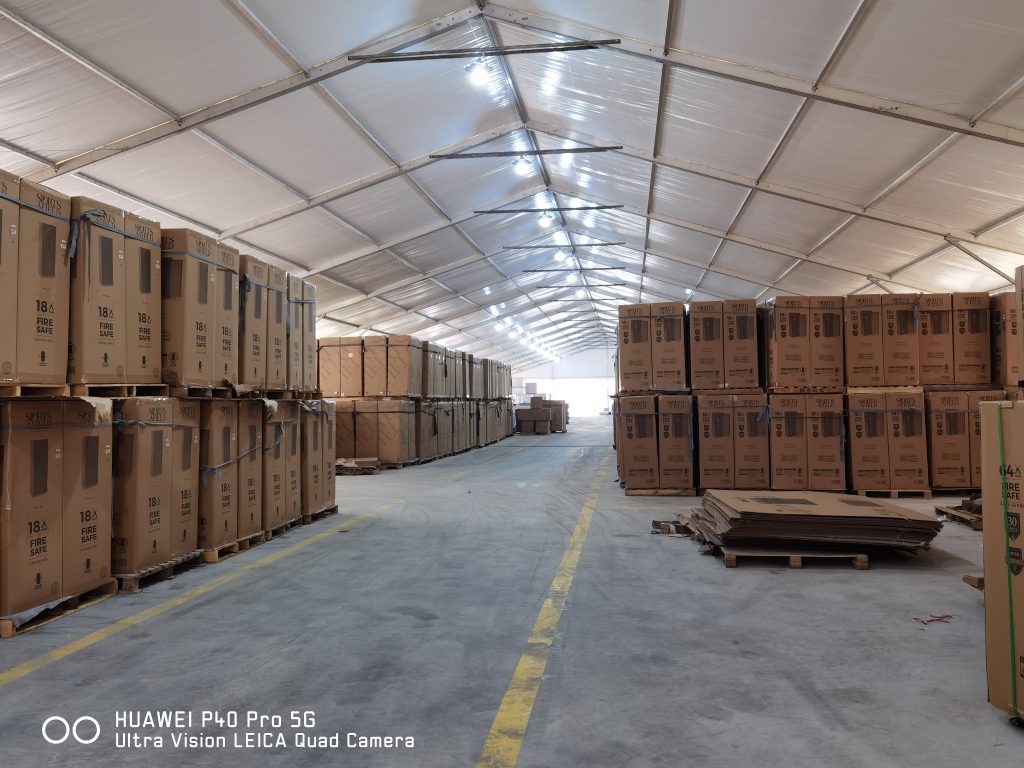
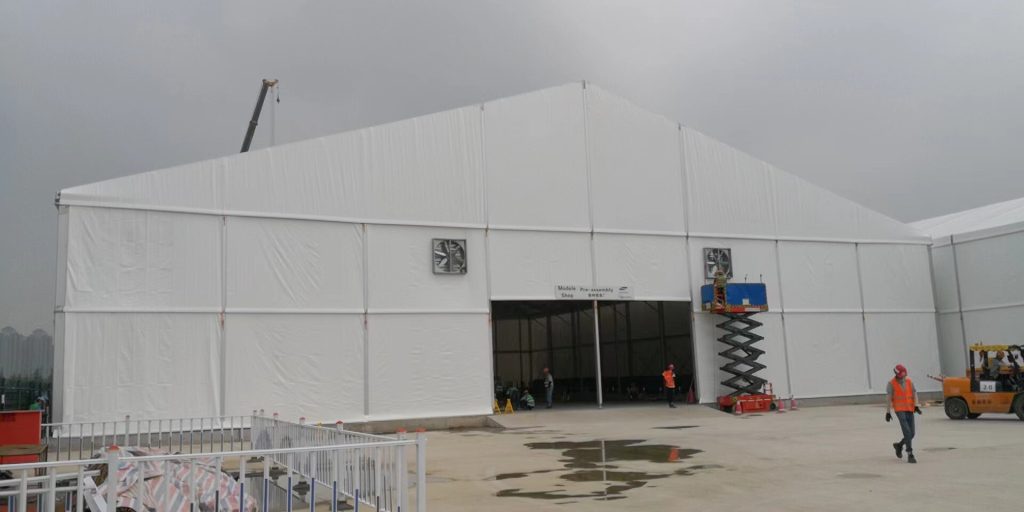
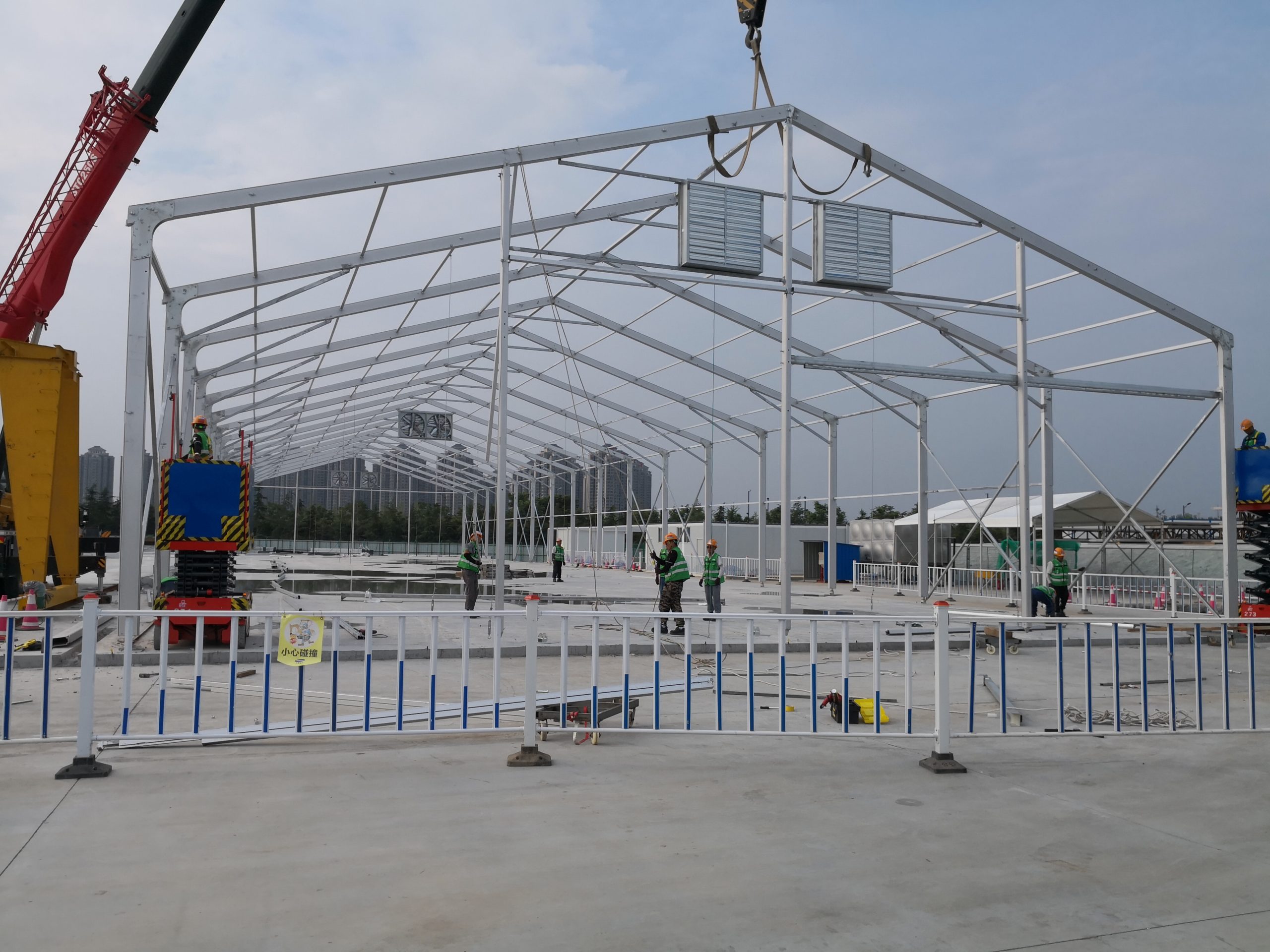
A high-strength aluminum frame and a durable PVC fabric cover form a temporary warehouse tent, which is a modular structure. It provides a cost-effective storage solution for logistics companies, manufacturers, ports, construction sites, and industrial facilities.
Unlike permanent buildings, warehouse tents can be installed quickly and relocated when business needs change.
What Is a Steel Warehouse?
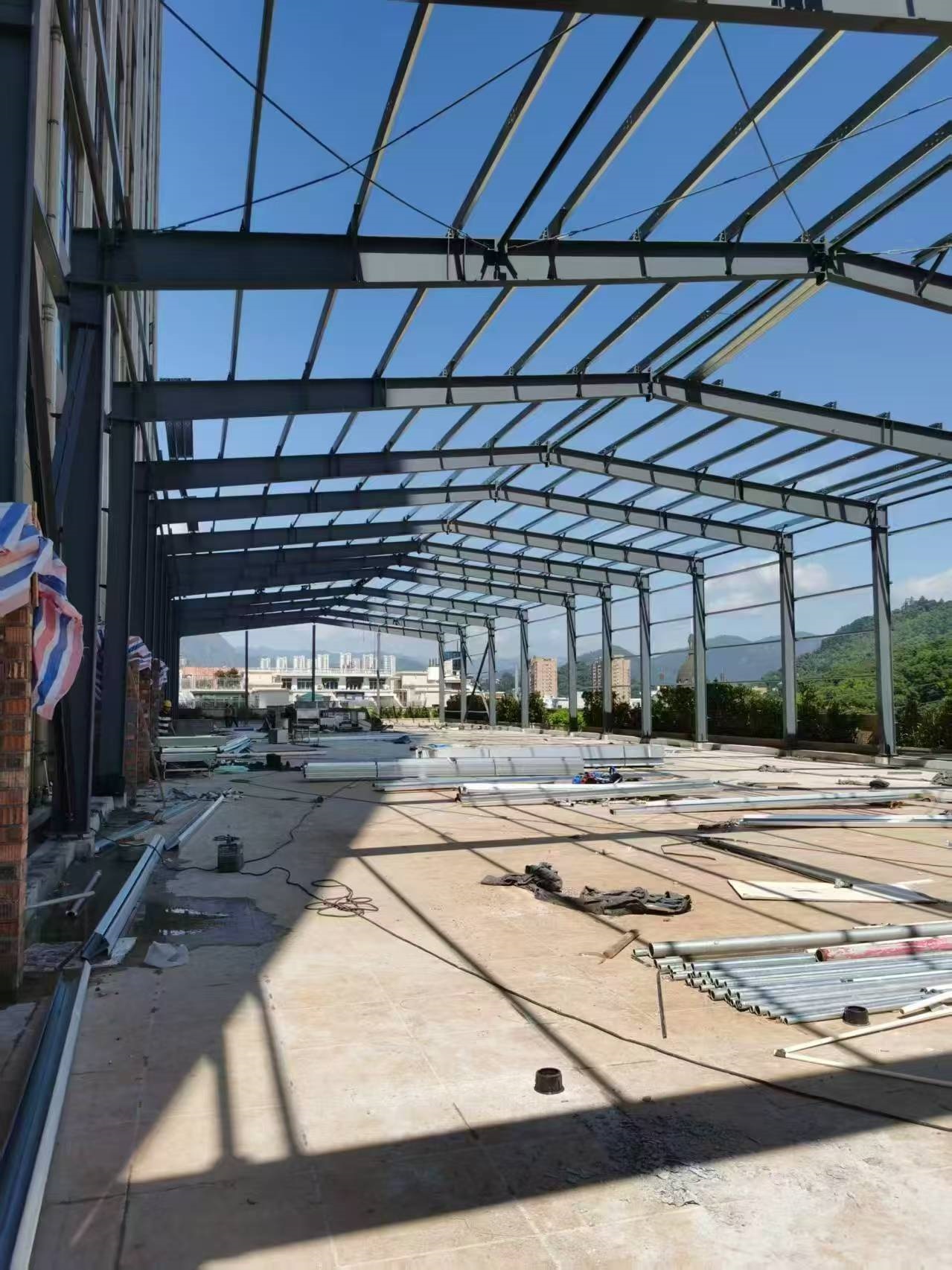
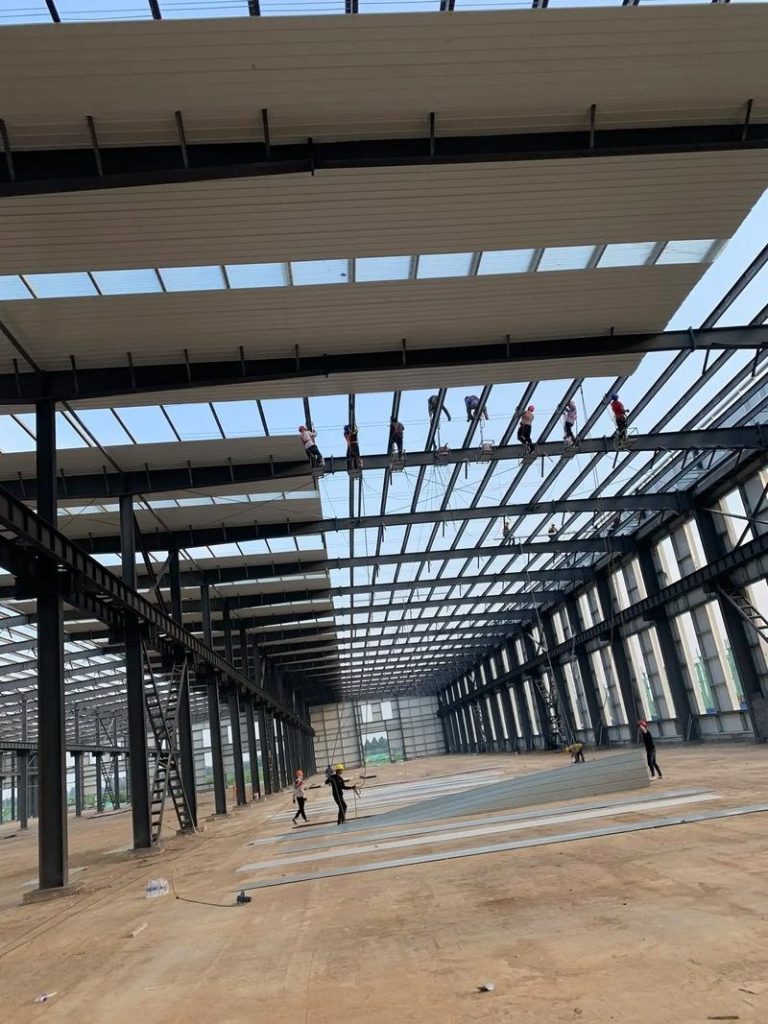
A steel warehouse is a permanent building constructed with steel columns, beams, and metal wall panels. It is designed for long-term use and typically requires a concrete foundation and government approval before construction.
Cost Comparison
One of the biggest differences between the two solutions is cost.
Temporary Warehouse Tent
- Lower initial investment
- Reduced foundation requirements
- Minimal construction expenses
- Suitable for short-term and medium-term projects
Steel Warehouse
- Higher construction cost
- Concrete foundation required
- Engineering and permit expenses
- Higher labor costs
For businesses requiring immediate storage space, a temporary warehouse tent is often the more economical option.
Installation Time
Temporary Warehouse Tent
- Installation within a few days
- Minimal site preparation
- Immediate use after installation
Steel Warehouse
- Construction period can take several months
- Permit approval often required
- Longer project management cycle
When speed is critical, warehouse tents offer a significant advantage.
Flexibility and Relocation
Temporary warehouse tents can be expanded, reduced, dismantled, or relocated according to operational requirements.
Steel warehouses are fixed structures and cannot be moved once constructed.
For growing businesses, logistics centers, and temporary projects, flexibility is often a decisive factor.
Applications
Temporary Warehouse Tents
- Logistics storage
- Port storage facilities
- Construction material storage
- Equipment protection
- Manufacturing workshops
- Emergency storage expansion
Steel Warehouses
- Permanent manufacturing facilities
- Long-term logistics centers
- Distribution hubs
- Industrial plants
Maintenance
Modern PVC fabric and aluminum frame structures require very little maintenance. High-quality warehouse tents can withstand wind, rain, and UV exposure for many years.
Steel warehouses may require periodic painting, corrosion protection, and structural maintenance.
Which Solution Is Better?
Choose a Temporary Warehouse Tent if:
- You need storage quickly
- Budget is limited
- Future relocation is possible
- Seasonal storage demand exists
- Business expansion plans are uncertain
Choose a Steel Warehouse if:
- Permanent infrastructure is required
- Long-term ownership is the priority
- Relocation is unnecessary
Conclusion
Both temporary warehouse tents and steel warehouses have their advantages. However, for businesses seeking fast installation, lower investment, and operational flexibility, a temporary warehouse tent is often the most practical solution.
As an experienced warehouse tent manufacturer, JunMing Tent provides customized warehouse storage tents and industrial shelter solutions for logistics companies, ports, factories, and commercial storage projects worldwide.
Contact us today for a customized warehouse tent solution.
